


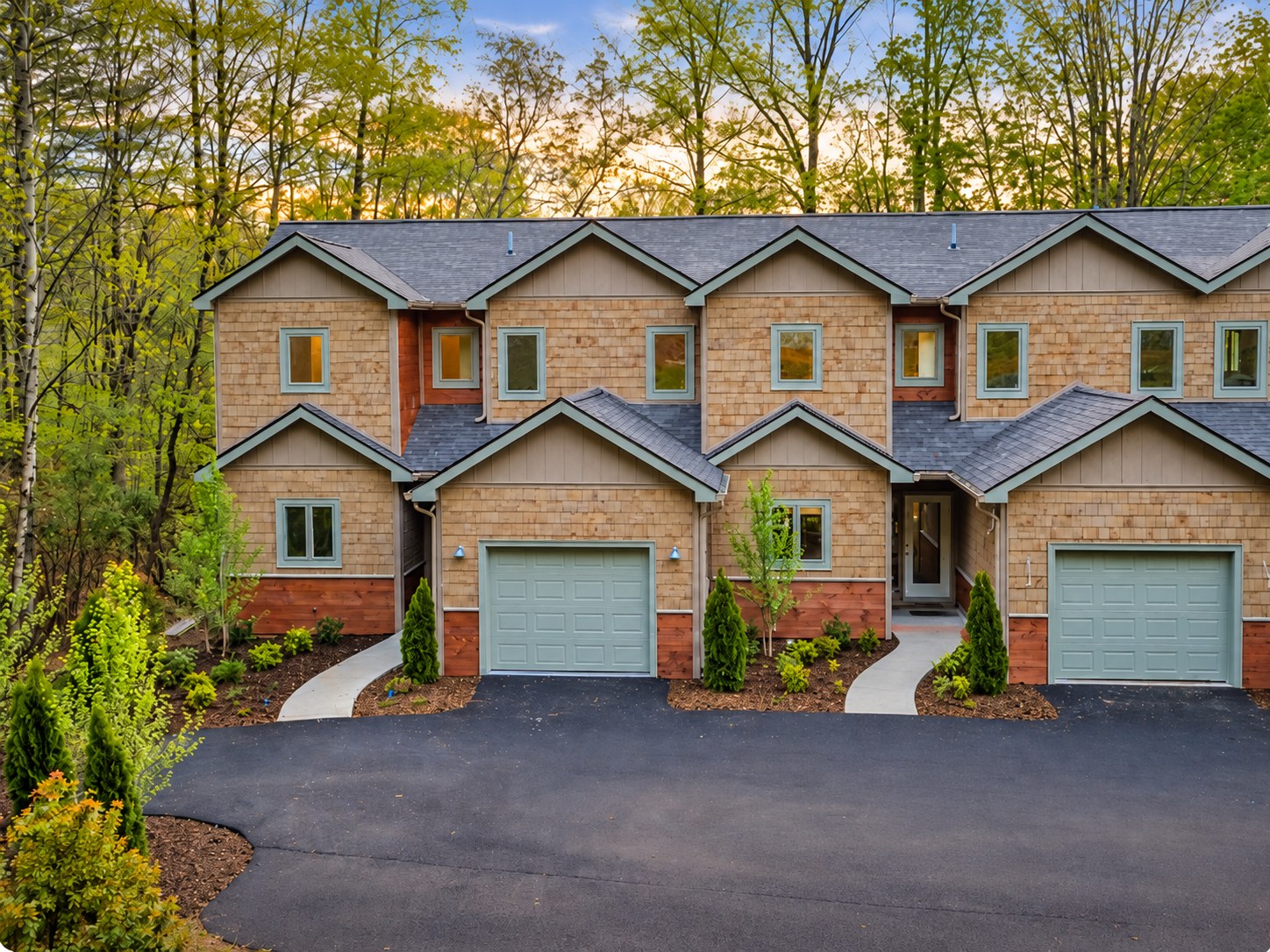
Picture two mountain properties with nearly identical listing photos. Both have a stone fireplace, a balcony, a comfortable kitchen, and enough room for a long weekend with the family.
One is a straightforward second-home purchase. The other comes with different ownership responsibilities, financing questions, or rental restrictions that change how you can use it.
You might not spot any of that in the photographs.
That's why when we're helping buyers compare condos in Boone, Sugar Mountain, Beech Mountain, and the surrounding High Country, we look beyond the finishes and the views. Two properties that appear similar online can be very different purchases.
First, a condo and a townhome aren't necessarily opposites
Here's the distinction that trips people up: condominium describes a form of ownership. In a condominium, you own your individual unit and share an interest in certain common elements according to the recorded documents.
Townhome usually describes the style of the building: often a multilevel residence with its own entrance that shares one or more walls with neighboring homes.
One way we sometimes explain condominium ownership is "paint-to-paint." In many condo communities, the owner's responsibilities are primarily within the individual unit, while the association handles certain shared elements, such as roofing, exterior maintenance, or common areas.
Townhome communities can look a little different. Owners may share responsibilities for roofing systems, private roads, common grounds, or even septic facilities. In other cases, individual owners are responsible for much more.
But here's the important distinction: these are useful generalizations, not guarantees. A townhome can legally be a condominium, and the recorded documents determine exactly what belongs to the owner, what is shared, and who's responsible for maintaining it.
And then there's the condotel
A condotel, or condo hotel, typically combines individually owned condominium units with hotel-like operations or services. Some properties may have a front desk, rental management arrangements, or frequent short-term guest turnover.
This distinction matters because a property that operates as a hotel may not qualify for certain conventional mortgage programs. Fannie Mae, for example, has specific restrictions for condominium projects with hotel-like characteristics. That doesn't mean every vacation condo is a condotel, or that every property used as a short-term rental is automatically ineligible for conventional financing. The actual project details matter.
If renting your mountain place when you're away is part of the plan, talk with a lender familiar with resort condominiums early, before assuming the financing will work the same way it would for a typical residence.
The real differences often aren't visible
When two condos catch your eye, we encourage buyers to compare more than the price, square footage, and view.
What do you actually own and maintain?
Who is responsible for the roof, windows, decks, exterior walls, and driveway? What's covered by the association, and what's the owner's responsibility? You can't always answer those questions by looking at the property type in a listing.
What do the association dues include?
One monthly fee might cover a long list of expenses. Another may cover far less. Ask for the budget, insurance information, reserve details, and any current or anticipated special assessments. A lower monthly fee doesn't necessarily mean a lower long-term cost.
Can you use the property the way you imagine?
Maybe you want a summer escape. Maybe you'll visit every ski weekend. Maybe you'd like to rent it occasionally when you're not there. Rules about short-term rentals, pets, parking, guests, and occupancy can vary by community and sometimes by unit.
Will financing and insurance look different?
With condominiums, a lender may need to review the project as well as the individual borrower and unit. Association insurance, property condition, litigation, and certain rental or hotel-style arrangements may affect financing eligibility. The right time to find this out is before you've fallen in love with the view.
Then add the mountain-specific questions
Even when two properties have similar ownership arrangements, life in the High Country can make them feel very different.
Think about the walk from your parking space in January. The stairs you'll climb carrying groceries. How the road is maintained after a snowfall. Whether that gorgeous view faces the sunrise or the afternoon sun. And whether the place is convenient for the way you actually plan to spend your time here.
These aren't necessarily dealbreakers. They're the details that help you choose a property you'll enjoy owning.
The Difference Is in the Details
The smartest condo purchase is one where the ownership details make just as much sense as the view.
That's part of what we're here for: helping you spot the differences that won't show up in listing photos and understand what they actually mean for you.
Interested in finding your own mountain getaway? Explore condos and townhomes throughout the NC High Country.
Every property and association is different. Review the recorded documents, current association information, insurance, and lending requirements with the appropriate professionals before making a purchase decision.